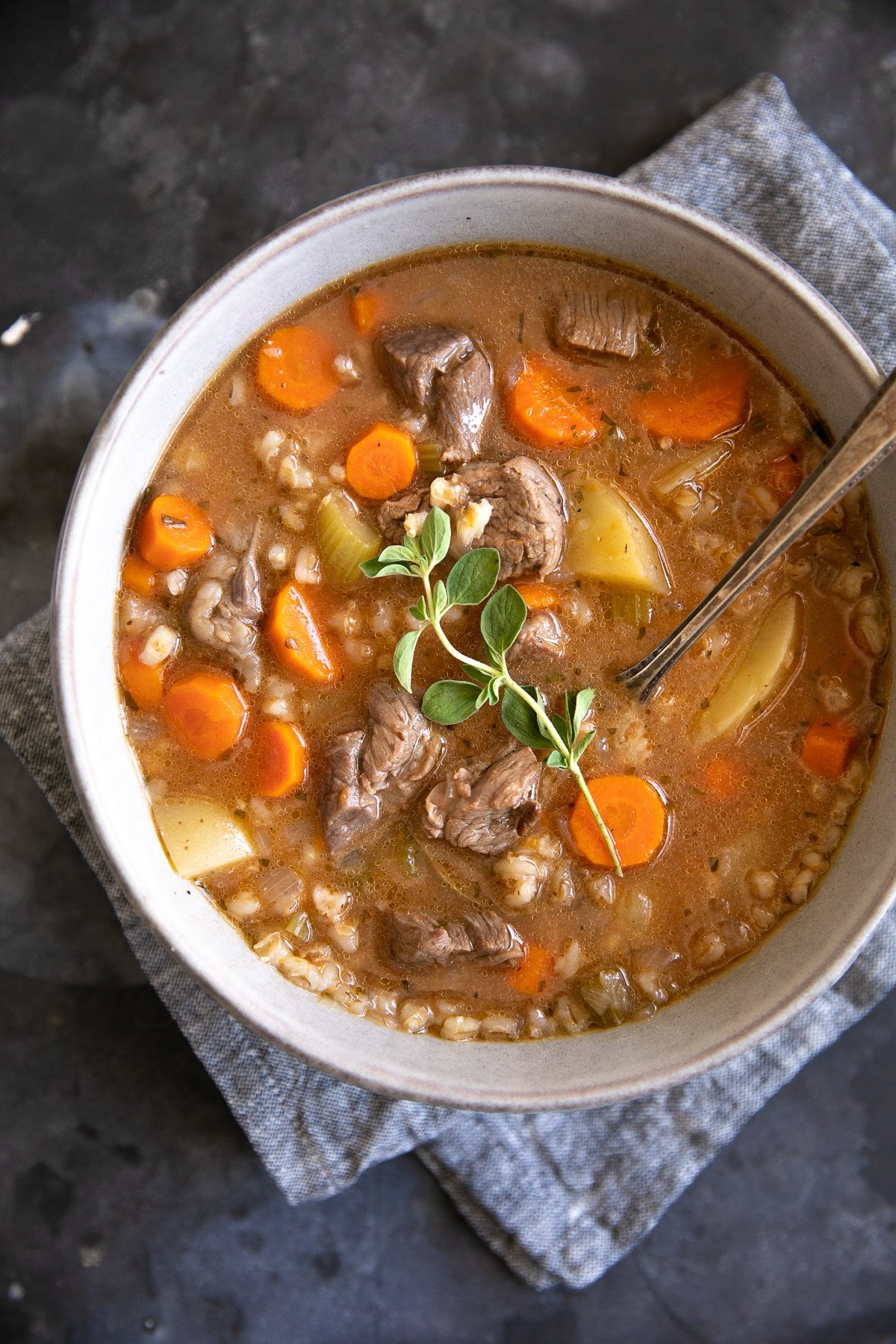
The Ultimate Comfort: Unveiling the Best Hearty Beef Barley Soup
There's a certain magic that happens when robust beef, wholesome barley, and a medley of garden vegetables come together in a simmering pot. It’s more than just a soup; it's a culinary embrace, a deeply satisfying meal that warms you from the inside out. For many, including passionate home cooks and discerning diners,
beef barley soup isn't just *a* favorite – it's *the* favorite. Imagine a bowl where the beef is so tender it literally falls apart, the barley retains a perfect chewy bite, and the broth is a rich, savory symphony. This isn't a mere promise; it's the result of mastering a few simple, yet crucial, techniques.
This isn't the kind of soup you politely sip. This is a hearty, substantial dish designed to be a complete meal, often pushing the boundaries of what one considers "soup." Served with a crusty loaf of bread, it transforms into an unforgettable dining experience. The deep, complex flavors aren't accidental; they're built layer by layer, starting with a meticulous browning of the beef and culminating in a slow, patient simmer. It's truly food for the soul, and once you taste the difference that proper technique makes, you might find yourself refusing to order it anywhere else.
Crafting the Foundation: Mastering Beef and Broth for Unforgettable Flavor
The secret to the best hearty
beef barley soup lies not in a secret ingredient, but in foundational cooking principles. It all begins with the beef and the broth, where every step is designed to build layers of profound flavor.
Selecting and Preparing Your Beef
For that coveted fall-apart tenderness, the choice of beef is paramount. We strongly recommend using **stewing beef**, which is not only more economical but also perfectly suited for slow cooking. Cuts like **chuck roast** or even **short ribs** are excellent alternatives, rich in connective tissue that breaks down beautifully over time, yielding incredibly tender results. When preparing your beef, trim off any excessive fat, but don't be afraid to leave a little. That extra marbling will render down into the broth, adding a luxurious depth of flavor. Patience is key here; you want the beef to truly melt in your mouth.
The Art of the Sear: Beyond Just Browning
This is perhaps the most critical step, one that often separates a good soup from an extraordinary one. Before hitting the pan, generously season your beef with salt and pepper. This is your first opportunity to build flavor. Then, lightly coat the beef in flour. This small but mighty step serves two vital purposes:
- It helps create a beautiful golden-brown crust when seared, locking in the beef's natural juices and enhancing its savory profile through the Maillard reaction.
- The flour released into the pot will later help naturally thicken your soup, creating a cozy, substantial broth.
When searing, remember to work in batches. Overcrowding the pot will cause the beef to steam rather than sear, resulting in a bland, grey finish. If needed, add a touch more oil between batches. This focused searing prevents the "grey meat, weak broth" outcome that inexperienced cooks often encounter. As Gordon Ramsay himself might emphasize, properly searing the beef is non-negotiable for building the foundation of flavor, as explored in
Gordon Ramsay's Beef Barley Soup Secrets: From Bland to Bistro.
Deglazing: Unlocking Hidden Depths
Once your beef is seared and set aside, you'll notice those precious browned bits sticking to the bottom of the pot – culinary gold! This is where deglazing comes in. By adding a liquid (often broth, or even a splash of red wine or Worcestershire sauce for added complexity) and scraping up these flavorful morsels, you infuse your broth with an incredible richness. This step extracts all those caramelized sugars and savory compounds, ensuring no flavor is left behind. Stirring in tomato paste at this stage further amplifies the broth's depth and umami, transforming it into a truly restaurant-quality base.
The Barley Factor: Achieving Perfect Texture and Thickness
The "barley" in
beef barley soup is more than just a name; it's a star ingredient that contributes both texture and body.
Choosing and Preparing Pearl Barley
**Pearl barley** is the ideal choice for this soup. Unlike hulled barley, it has been polished to remove the outer bran layer, allowing it to soften beautifully during cooking while still maintaining a delightful, chewy bite. There’s no need to rinse pearl barley before adding it to your soup. The starch it releases as it cooks will further contribute to the soup's comforting, thick consistency.
Balancing Thickness and Liquid
As the barley simmers, it will gradually soak up a significant amount of liquid, expanding and making the soup wonderfully thick and cozy. This absorption is part of what makes the soup so satisfying and meal-like. However, it's also why you might need to adjust the liquid content. Don't be afraid to add more broth or water if your soup becomes thicker than you prefer. The beauty of this dish is its adaptability; you can easily tailor the consistency to your liking. The timing of when you add the barley is also crucial. Adding it too early can lead to mushy, overcooked grains, diminishing that desirable chew. Incorporate it during the latter half of the simmering process to ensure it cooks to perfection without turning into a "bowl of confusion."
Elevating Your Soup: Beyond the Basics for Maximum Payoff
While the beef and barley are central, the supporting cast of ingredients and a few finishing touches elevate this soup to new heights.
The Aromatic Symphony: Vegetables and Herbs
After searing the beef and deglazing, the next step is to sauté your vegetables. A classic mirepoix of **onions, carrots, and celery** forms the aromatic backbone of the soup. Sautéing them for about 5 minutes until softened brings out their natural sweetness. Then, stir in minced garlic and dried oregano for another layer of fragrant flavor. These simple additions contribute significantly to the soup's overall complexity and freshness.
The Magic of Time and Leftovers
One of the most remarkable qualities of a well-made
beef barley soup is how it evolves with time. The slow simmering process, often lasting a couple of hours, allows all the flavors to meld and deepen. This patience pays off immensely, creating a more cohesive and rich taste profile. Furthermore, this soup is truly fantastic as leftovers. In fact, many enthusiasts attest that it tastes even better the next day, as the ingredients have had more time to harmonize. This makes it an excellent candidate for meal prep, providing delicious, ready-to-eat meals throughout the week. For a deeper dive into the convenience and flavor development of this dish, check out
One-Pot Beef Barley Soup: Master Deep Flavors & Chewy Barley.
A One-Pot Wonder
Despite its rich flavors and complex profile, this hearty beef barley soup is remarkably an **easy one-pot meal**. This means minimal cleanup for maximum culinary payoff. All the crucial steps—searing, sautéing, deglazing, and simmering—happen in the same pot, making it not only delicious but also practical for any home cook.
Conclusion: Your Journey to the Best Beef Barley Soup Begins Now
From the tender, fall-apart beef to the satisfying chew of the barley and the deep, rich broth, this hearty
beef barley soup is a culinary triumph. It’s a meal that provides comfort, sustenance, and an explosion of flavor, proving that investing a little patience and technique can transform simple ingredients into an extraordinary dish. By following these steps—meticulously searing the beef, expertly deglazing the pot, choosing the right barley, and allowing flavors to meld during a slow simmer—you’ll unlock an unparalleled culinary experience. So, next time you're craving a meal that truly nourishes the body and soul, look no further than this ultimate beef barley soup. It's more than just a recipe; it's an invitation to create lasting warmth and flavor in your own kitchen.