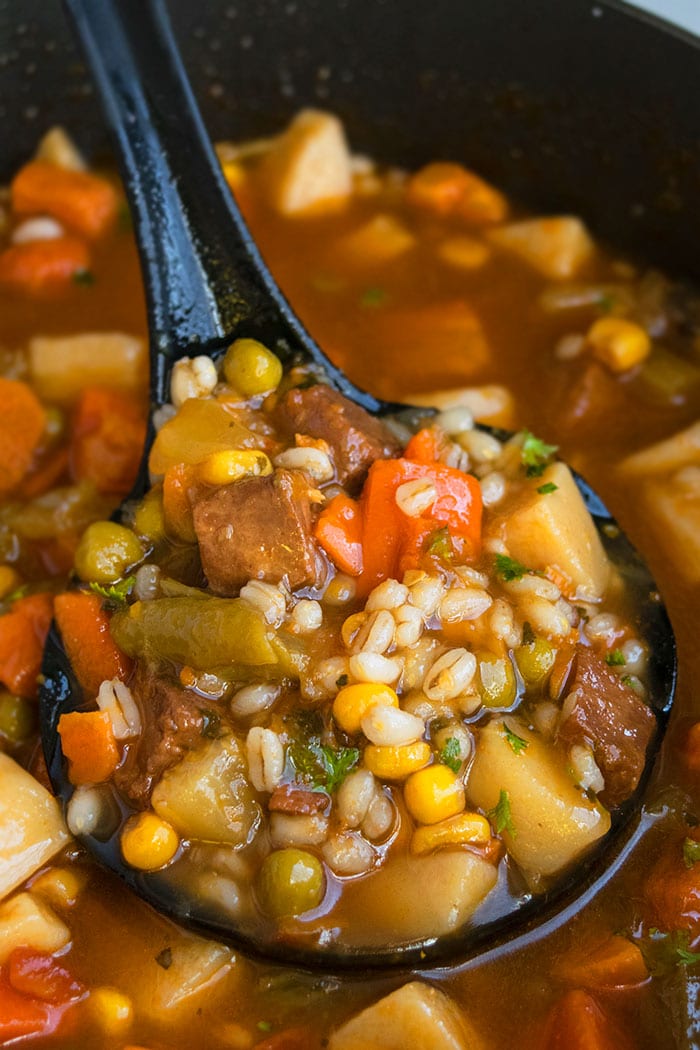
One-Pot Beef Barley Soup: A Culinary Journey to Deep Flavor and Perfect Chew
There’s a special kind of magic that happens when simple ingredients transform into something truly extraordinary, and nowhere is this more evident than in a perfectly crafted beef barley soup. More than just a meal, it’s a bowl of comforting warmth, a symphony of savory notes, and an experience that can turn skeptics into devoted fans. Forget the bland, watery versions you might have encountered; we’re diving into the secrets of creating a one-pot masterpiece that delivers fall-apart tender beef, perfectly chewy barley, and a broth so rich it’ll have you refusing to order it anywhere else. This isn't just cooking; it's an exercise in building flavor from the ground up, ensuring every spoonful is an invitation to culinary bliss.
A hearty beef barley soup isn't merely a dish; it's soul food in a bowl. It’s the kind of satisfying creation that feels like a warm embrace on a chilly evening, capable of turning a simple dinner into a memorable occasion. The beauty lies in its robust nature, easily serving as a complete meal when paired with a crusty loaf of bread. But the true allure stems from its deep, complex flavors – a result not of intricate techniques, but of patience and appreciation for foundational cooking steps. This isn't the kind of soup you "dump and simmer" and expect greatness from; it’s about intentional layers of taste that evolve into something profoundly delicious.
The Art of Deep Flavor: Beyond Just Simmering
The foundation of any exceptional beef barley soup lies in how you treat your beef and build your broth. This isn’t about just boiling meat; it’s about coaxing out maximum flavor and achieving that coveted melt-in-your-mouth texture.
Choosing Your Cut Wisely for Melt-in-Your-Mouth Tenderness
For a truly fall-apart beef barley soup, the choice of beef is paramount. While any beef can be cooked, certain cuts shine brightest under slow, moist heat. We strongly recommend **stewing beef**, which is often pre-cut and incredibly economical. These cuts, typically from the chuck, are rich in collagen and connective tissue. When subjected to a long, slow simmer, this collagen breaks down into gelatin, creating an incredibly tender, succulent texture that literally melts in your mouth and simultaneously enriches the soup's body.
**Chuck roast** is another excellent choice; you can buy a whole roast and cut it into 1-2 inch cubes yourself. Its marbling contributes to both flavor and tenderness. Even **short ribs** can be used for an exceptionally luxurious beef barley soup, offering a richer, fattier broth. Whichever you choose, remember to trim off any large pieces of excess fat, but don’t be afraid to leave a little behind; that extra fat renders slowly, infusing the broth with incredible depth and flavor.
The Non-Negotiable Sear: Browning for Depth
This is arguably the most crucial step for transforming your beef barley soup from good to gourmet. Before any simmering begins, the beef must be properly seared. This isn't just for aesthetics; it's for flavor.
First, season your beef generously with salt and freshly cracked black pepper. This builds flavor from the very beginning. Then, lightly coat the seasoned beef in a thin layer of **all-purpose flour**. This seemingly small step performs two vital functions:
1. **Locks in Juices & Creates a Crust:** The flour, when seared, helps create a beautiful golden-brown crust on the beef, which traps moisture inside, ensuring the beef remains juicy. This browning is the famous Maillard reaction in action, developing hundreds of complex flavor compounds that cannot be achieved through boiling alone.
2. **Thickens the Soup:** As the flour-coated beef simmers, the starch from the flour gradually releases, naturally thickening your beef barley soup to a wonderfully cozy consistency, without needing additional thickeners later.
Always sear the beef in **batches**. Overcrowding the pot lowers the temperature, causing the beef to steam rather than sear, resulting in grey, less flavorful meat. Use a high-heat oil (like canola or grapeseed) and ensure the pot is hot. Sear each side until deeply browned, then transfer the seared beef to a plate and set aside. If needed, add a little more oil between batches. This technique sets the stage for a truly robust flavor profile. To achieve a bistro-quality depth, much like the secrets detailed in
Gordon Ramsay's Beef Barley Soup Secrets: From Bland to Bistro, never skip this step.
Deglazing: Unlocking Hidden Richness
Once your beef is seared and set aside, you'll notice wonderfully browned bits (fond) stuck to the bottom of your pot. These are pure gold – concentrated flavor that would be a tragedy to leave behind. Deglazing is the process of dissolving these bits into the liquid, adding immense depth to your broth.
After sautéing your aromatic vegetables, you'll add liquids to deglaze. This is the perfect moment to introduce **tomato paste**. Stir it in and cook for about 30 seconds to a minute until it darkens slightly and becomes fragrant. This concentrates its umami, adding a foundational layer of richness and a subtle tang that balances the savory beef.
For an extra layer of complexity, consider adding a splash of **Worcestershire sauce** or even a dry **red wine** (like Merlot or Cabernet Sauvignon) while deglazing. The Worcestershire sauce provides a savory, tangy kick, while red wine adds tannic depth and fruit notes that cook down into a magnificent flavor base. Scrape vigorously with a wooden spoon to release all those flavorful browned bits, ensuring every drop of flavor makes it into your beef barley soup.
Mastering the Barley: Chewy Perfection, Not Mush
The "barley" in beef barley soup isn't just a namesake; it's a key textural component that adds heartiness and a unique chewiness. Getting it right is crucial for a truly satisfying bowl.
Selecting the Right Barley and its Role in Thickening
For beef barley soup, **pearl barley** is almost universally recommended. Pearl barley has had its outer husk and some of the bran removed, making it cook faster and resulting in a softer, yet still wonderfully chewy texture. While hulled barley is even more nutritious, it takes much longer to cook and can remain quite firm, which isn't ideal for the desired consistency of this soup.
One of the great advantages of pearl barley in this context is that there’s **no need to rinse it** before cooking. The starch it releases as it simmers plays an important role in naturally thickening the beef barley soup, contributing to its cozy, hearty consistency. This starch helps bind the liquids and flavors, making the soup feel more substantial and comforting.
Timing is Everything for Perfect Chew
The key to perfectly cooked barley – that delightful chew without being mushy – is timing. Barley needs to cook sufficiently to soften, but overcooking will turn it into an unappealing, porridge-like texture. Add the barley when the beef has been simmering for a good amount of time and is already becoming tender. This allows the barley to cook alongside the remaining ingredients, absorbing all the wonderful flavors of the broth.
As the barley cooks, it will absorb a significant amount of liquid. It’s not uncommon for your beef barley soup to thicken considerably, especially if left to simmer for a while or refrigerated overnight. Don't be afraid to **add more broth or water** if the soup becomes too thick for your liking. The ideal consistency is entirely personal, so feel free to adjust until it's just right for you – thick and cozy, or a bit thinner for easy sipping.
Building the Aromatic Broth and Veggie Harmony
With the beef seared and the pot deglazed, it's time to build the aromatic foundation and liquid base that will bring your beef barley soup to life.
Sautéing the Mirepoix
The classic trio of **onions, carrots, and celery** (the mirepoix) forms the aromatic backbone of countless savory dishes, and beef barley soup is no exception. After searing the beef and before deglazing, if you need a little more oil, add it. Then, sauté these vegetables for about 5-7 minutes until they’ve softened and the onions are translucent. This step softens their texture and releases their sweet, earthy flavors, which will meld beautifully into the broth.
Layering Herbs and Spices
Once the mirepoix is soft, stir in the **minced garlic** along with dried herbs like **oregano** and a touch of **thyme**. Cook for just another 30-60 seconds, until fragrant. Be careful not to burn the garlic, as it can turn bitter. This quick sauté blooms the herbs, intensifying their aroma and ensuring their flavor permeates the entire soup. A bay leaf added with the liquid will also contribute a subtle, peppery note. Remember to season generously with salt and pepper throughout the process, adjusting to taste at the end.
The Broth Base
Once your aromatics and tomato paste are fragrant, it’s time to add your liquid. **Beef broth or beef stock** is the obvious choice, enhancing the beefy flavor profile. Ensure you have enough liquid to cover the beef and vegetables, allowing for plenty of simmering time. If you run out, water can be used to top up, but a good quality beef broth will always yield a richer result. Bring the soup to a gentle simmer, cover, and let the magic happen.
One-Pot Wonder: Efficiency Meets Excellence
One of the greatest appeals of a well-made beef barley soup is its status as a true one-pot meal. This isn't just about convenience; it's about concentrating flavors.
Streamlining Your Cooking Process
The beauty of a one-pot meal lies in its simplicity. All the searing, sautéing, simmering, and thickening happen in a single vessel. This drastically reduces cleanup, making it an ideal choice for busy weeknights or for those who appreciate maximum flavor with minimal fuss. The ingredients cook together, allowing their flavors to intermingle and deepen in a way that separate cooking methods can't replicate.
The Magic of Leftovers
Perhaps the most delightful secret of beef barley soup is that it actually tastes even better the next day. As it cools and then reheats, the flavors have more time to meld and deepen, creating an even more harmonious and rich profile. This makes it an ideal candidate for meal prep; cook a large batch on the weekend, and enjoy delicious, comforting meals throughout the week. Just remember, as mentioned, the barley will continue to absorb liquid, so you might need to thin it with a little more broth or water when reheating. Ultimately, what you'll achieve is
The Best Hearty Beef Barley Soup: A Fall-Apart Flavor Experience that truly satisfies.
Serving Suggestions and Final Touches
Once your beef barley soup has simmered to perfection, with the beef meltingly tender and the barley perfectly chewy, it's time to serve. Ladle generous portions into bowls and consider a simple garnish like fresh chopped parsley for a burst of color and herbaceous freshness. A sprinkle of grated Parmesan cheese can also add another layer of savory depth. And, of course, no bowl of this comforting soup is complete without a side of warm, crusty bread, perfect for soaking up every last drop of that glorious broth.
Conclusion
Making a truly exceptional one-pot beef barley soup is a rewarding endeavor that goes beyond following a recipe; it’s about understanding and applying foundational cooking principles. From the careful selection and searing of your beef to the mindful addition of aromatics and the perfect timing for your barley, each step builds towards a complex, deeply satisfying, and unbelievably comforting dish. This isn't just food; it's an experience, a bowl of warmth that nourishes both body and soul. So, gather your ingredients, embrace the process, and prepare to master a beef barley soup that will become a beloved staple in your home.