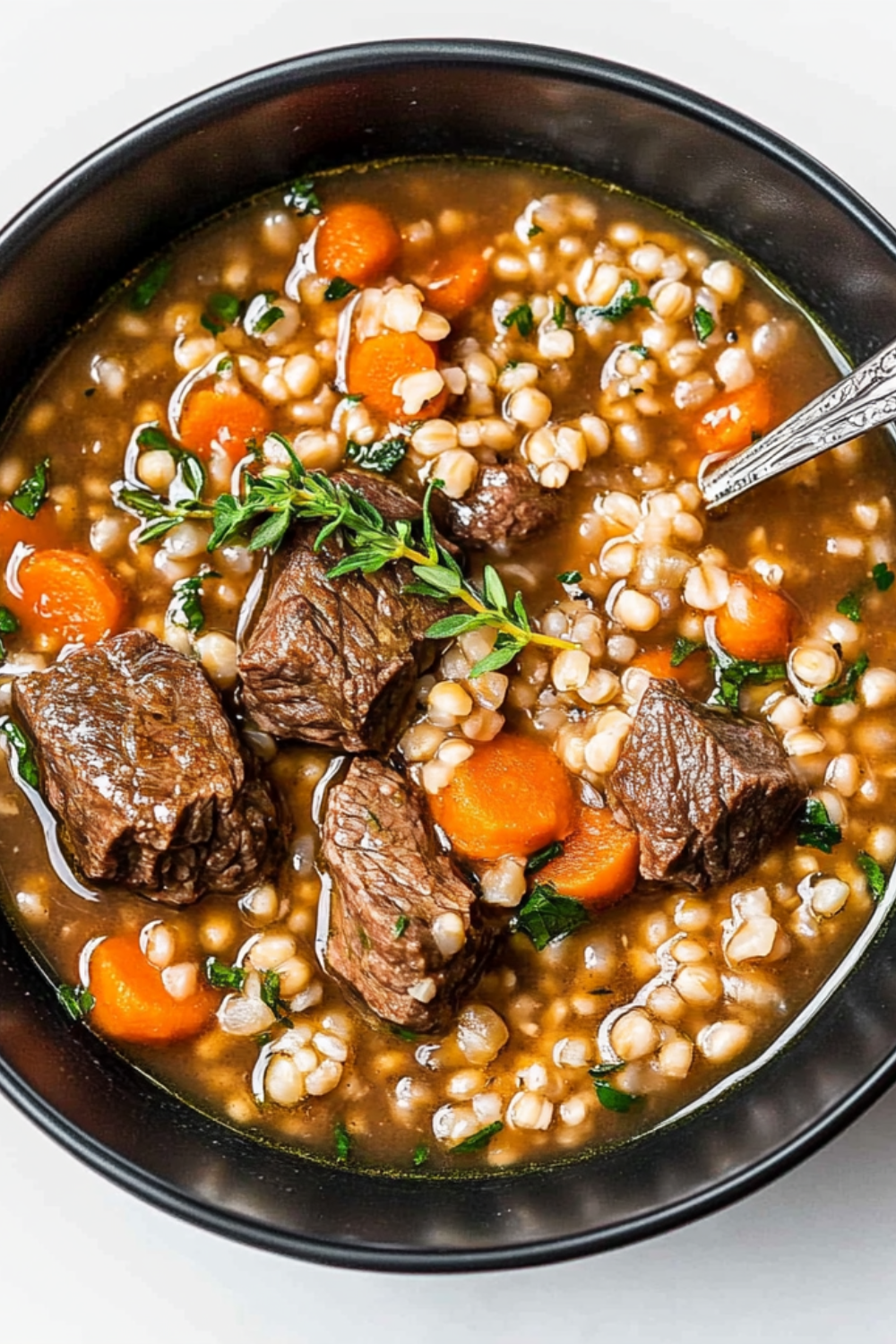
Unlocking Deep Flavors: The Gordon Ramsay Approach to Beef Barley Soup
Few dishes evoke comfort and warmth quite like a steaming bowl of hearty beef barley soup. It’s a timeless classic, a satisfying meal in itself, and for many, a nostalgic taste of home. Yet, ironically, it's also a dish frequently subjected to the "dump and simmer" treatment, resulting in bland broth, grey meat, and mushy grains. If you've ever felt your homemade beef barley soup falls short of that rich, restaurant-quality experience, you're not alone. The secret to transforming this humble soup from merely good to truly spectacular, from bland to bistro-worthy, lies in adopting a chef's mindset – the kind of meticulous, flavor-first approach championed by culinary maestros like Gordon Ramsay.
Chef Ramsay's philosophy isn't about overly complicated techniques; it's about executing fundamental steps with precision and understanding why each one matters. It's about building layers of flavor from the very beginning, ensuring every ingredient contributes to an unforgettable culinary experience. Forget the shortcuts that lead to disappointment; we're going to delve into the key secrets that will elevate your beef barley soup, making it so deeply satisfying, your family might just refuse to order it anywhere else.
The Foundation: Choosing and Preparing Your Beef
The journey to an exceptional beef barley soup begins with the star ingredient: the beef. While many recipes might suggest any cut of beef, a true chef knows that specific cuts, when treated correctly, yield unparalleled tenderness and flavor. For a fall-apart experience, look no further than economical yet powerful options like stewing beef, chuck roast, or short ribs. These cuts are rich in collagen, which, when subjected to slow, moist heat, breaks down into gelatin, creating that melt-in-your-mouth texture and enriching the broth with body and flavor.
Before you even think about the pot, preparation is key. Trim any excessive, hard fat from the beef, but don't be afraid to leave a little. That intramuscular fat will render slowly, adding another layer of savory goodness to your soup. Next, and this is crucial, season your beef generously with salt and freshly cracked black pepper. This isn't just about surface flavor; it's about building taste from the inside out, allowing the seasoning to penetrate the meat. Finally, a light dusting with all-purpose flour might seem like a minor step, but it's a game-changer. This flour coating serves a dual purpose: it helps achieve a beautiful, golden-brown crust during searing, effectively locking in the beef's natural juices, and it later aids in naturally thickening the soup as it simmers, contributing to that coveted rich consistency.
The Searing Secret: Browning for Brilliance
This is arguably the most critical step in Gordon Ramsay's approach: the sear. Many home cooks rush this, or worse, skip it entirely, leading to that dreaded "grey meat" and a significantly weaker broth. For a bistro-quality beef barley soup, you need a hard sear.
What happens during a hard sear is nothing short of culinary magic known as the Maillard reaction. This complex chemical process creates hundreds of new flavor compounds, deepening the beef's taste and contributing a rich, savory crust that cannot be achieved any other way. To execute this properly, heat a good amount of oil in your pot over medium-high heat until it shimmers. Then, and this is vital, sear the beef in batches. Overcrowding the pot will drop the temperature, causing the beef to steam rather than sear, leaving you with boiled meat instead of beautifully caramelized pieces. Give each batch plenty of space, allowing it to develop a deep, golden-brown crust on all sides. Be patient; this isn't a race. If your pot looks a little dry between batches, don't hesitate to add a touch more oil. The reward for this diligence will be beef that is not only tender but bursting with profoundly developed flavor.
Building a Rich Broth: Deglazing and Aromatic Layers
With your perfectly seared beef set aside, the pot holds the blueprint for your soup's incredible depth: the fond. These browned bits stuck to the bottom of the pot are often overlooked, but in a chef's kitchen, they are pure gold – concentrated flavor waiting to be unleashed.
The Golden Bits: Deglazing with Purpose
This is where the art of deglazing comes in. Pour a splash of liquid – typically broth, water, or for an extra layer of sophistication, red wine – into the hot pot. As the liquid hits the surface, use a wooden spoon to scrape up all those flavorful browned bits. This process, often rushed in lesser versions of one-pot beef barley soup, is essential. If using red wine, allow it to simmer vigorously, reducing by half. This step concentrates the wine's flavor, evaporating the alcohol and leaving behind a rich, fruity, and acidic essence that adds incredible depth and complexity to your broth.
Aromatic Alchemy: Vegetables and Tomato Paste
After deglazing, it's time to build the aromatic foundation of your soup. Add a little more oil if needed, then introduce the classic mirepoix: diced onions, carrots, and celery. Sauté these vegetables gently for about five minutes until they soften and begin to release their natural sweetness. This isn't just about adding texture; it's about infusing the broth with their fundamental flavors. Next, stir in minced garlic and a pinch of dried oregano, cooking for just another 30 seconds until fragrant. Be careful not to burn the garlic, as this can turn bitter.
Following this, a crucial ingredient for a truly rich beef barley soup is tomato paste. Stir a tablespoon or two into the pot and cook it for a minute, allowing it to caramelize slightly. This brief cooking time deepens its flavor, transforming it from bright and acidic to rich and savory, adding a beautiful umami punch and a subtle reddish hue to your broth. For an extra boost of complex flavor, a splash of Worcestershire sauce or even a touch more red wine at this stage can elevate the soup to another level, providing a savory depth that will make your taste buds sing.
Mastering the Barley: Texture and Thickness
The name of the soup itself emphasizes the importance of barley, yet it's often the component that goes awry, turning into an unappetizing mush. A chef's approach to beef barley soup ensures the barley is a star, not a casualty.
Beyond Mush: Achieving Perfect Pearl Barley
For the ideal balance of tenderness and chew, pearl barley is the variety of choice. Its outer hull has been removed, allowing it to soften beautifully during cooking while retaining a delightful, satisfying bite. Unlike some grains, there's no need to rinse pearl barley before adding it to the soup. The starch it releases as it cooks actually serves a beneficial purpose, contributing to the natural thickening of the broth, creating that cozy, substantial consistency we all crave in a hearty beef barley soup.
The timing of adding the barley is paramount to avoid the dreaded "overcooked oatmeal" texture. It should be added with enough time to cook through, but not so early that it completely disintegrates. As it simmers, the barley will absorb a significant amount of liquid, making the soup wonderfully thick and comforting. Keep an eye on the consistency; if your soup becomes too thick for your liking, don't hesitate to add more beef broth or water until it reaches your desired consistency. This flexibility ensures your beef barley soup is perfect for your palate.
The Slow Simmer: Patience for Perfection
Once all your ingredients are in the pot – the seared beef, the sautéed aromatics, the deglazed fond, the tomato paste, and the barley – it's time for the magic of the slow simmer. Return the beef to the pot, add your beef broth, and bring the soup to a gentle simmer. Cover and let it cook patiently for at least 1.5 to 2 hours, or even longer, until the beef is impossibly tender and fall-apart. This isn't a rushed weeknight meal; it's an investment in flavor, allowing all the ingredients to meld and deepen over time. This slow cooking is what transforms tough cuts into succulent morsels and allows the barley to absorb all the goodness of the rich broth.
One of the most remarkable qualities of a well-made beef barley soup, much like many stews, is that it often tastes even better the next day. The flavors continue to meld and develop, creating an even more harmonious and profound experience. This makes it an ideal make-ahead meal, requiring minimal effort upfront for a maximum payoff of deliciousness throughout the week. It's truly a one-pot meal that delivers on every front.
Gordon's Final Touches: Elevating Your Beef Barley Soup
To summarize Gordon Ramsay's approach to beef barley soup, it's about respect for ingredients and meticulous execution of technique. It's a culinary journey from simple components to a symphony of flavors and textures. It's the difference between merely cooking and truly crafting a dish.
By focusing on proper beef selection, a deep, hard sear, thorough deglazing, thoughtful layering of aromatics, and precise barley cooking, you elevate this classic comfort food to bistro-quality standards. The result is a beef barley soup with rich, deep flavors, fall-apart tender beef, and perfectly chewy barley – a dish that is truly food for the soul. Serve it alongside a crusty loaf of bread for dipping, and prepare for rave reviews. You'll understand why, once you master these secrets, your homemade beef barley soup will be the only one you'll ever want.
For more insights into perfecting this comforting classic, explore articles like The Best Hearty Beef Barley Soup: A Fall-Apart Flavor Experience and One-Pot Beef Barley Soup: Master Deep Flavors & Chewy Barley.
Embracing these chef-inspired techniques means saying goodbye to bland, underwhelming soup forever. With a little patience and attention to detail, you can consistently create a beef barley soup that rivals any high-end restaurant, impressing everyone who tastes it with its depth, richness, and comforting perfection. Your kitchen is ready for its bistro transformation.
